
Track / Drift1989W201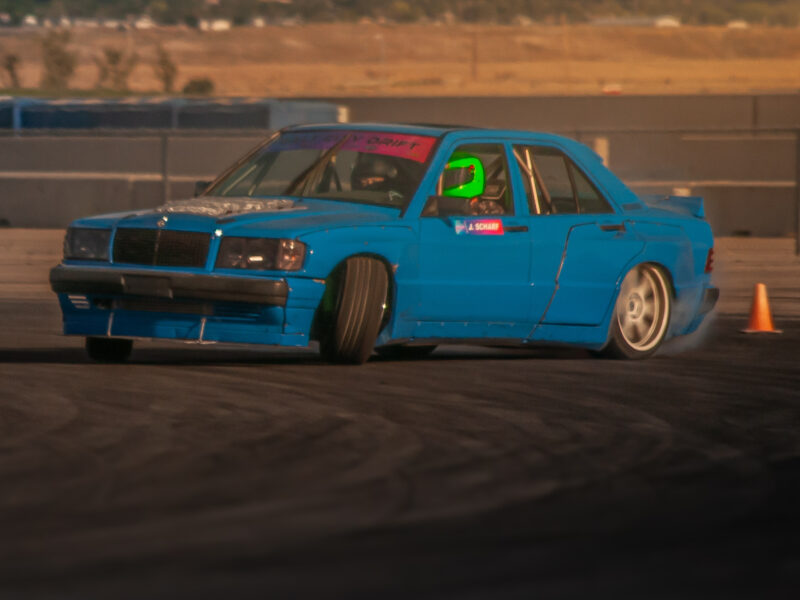
1989 190E 2.6, Layton
🇺🇸 Layton, United States · 190E 2.6
The Cosworth-developed 16-valve head turned the ordinary M102 into the engine that took the 190E racing. The road cars made 185 hp in 2.3-16 form and 204 hp as the 2.5-16, with the Evolution models going further. Knowledge matters more than brute force here, because KE-Jetronic injection and the homologation-era design set the rules. This guide covers what adds power and what wastes money.
The 16-valve M102 is an iron-block, alloy-head four with a Cosworth-designed twin-cam head. The 2.3-16 made 185 hp, the 2.5-16 made 204 hp, the Evolution I made 195 hp and the Evolution II 235 hp from much the same architecture with revised internals and intake. All the road cars run Bosch KE-Jetronic, a reliable mechanical-electronic injection system that limits how much fuel and timing you can add compared with a modern map.
The honest gains come from breathing and from internal engine work rather than from bolt-on electronics. A good exhaust and a free intake help. Beyond that, the meaningful route is the one Oettinger took in period: revised camshafts, head and valve work, and where budget allows, more displacement by building a 2.5 or a stroker bottom end. Each of these raises the ceiling in a way a chip alone on KE-Jetronic cannot.
For a car that will be pushed hard, the biggest single change is moving away from KE-Jetronic to individual throttle bodies on a standalone management system. That gives full fuelling and ignition control, sharpens the throttle, and lets a built engine make its potential. It costs the most, and it is what turns a tuned 16v into a quick car.
A plug-in chip on an otherwise standard KE-Jetronic car gives little, because the system was never a remappable ECU. Forced induction is possible but rare and demanding on these engines, since the high compression and mechanical injection were built for natural aspiration, so it is a full engineering project. Spend on breathing, internals and management in that order, for the best return.
These engines are strong when maintained, but they are old and were built to a homologation spec, not for endless abuse. Keep the cooling system fresh, the timing chain and tensioner healthy, and the valve clearances in check. A maintained 16v lasts. A leaned-out or overheated one does not. The technical reference and torque specs cover the service figures.
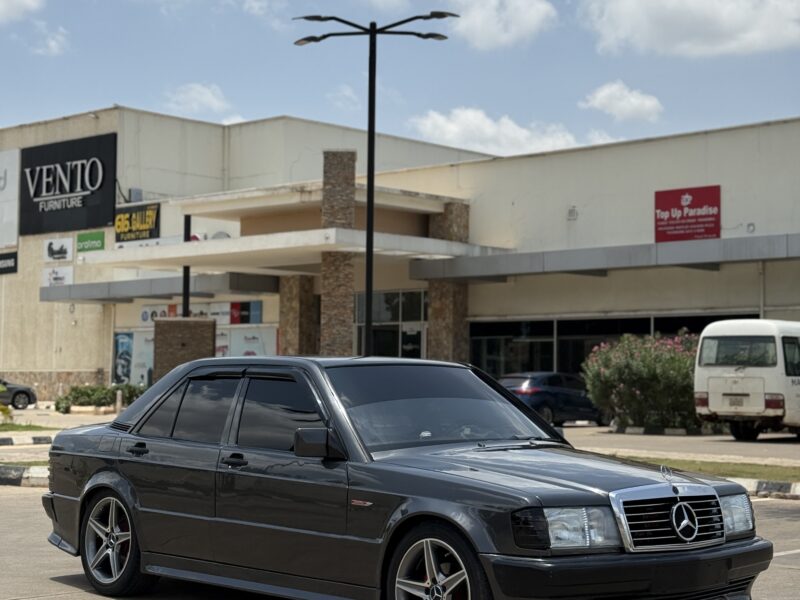
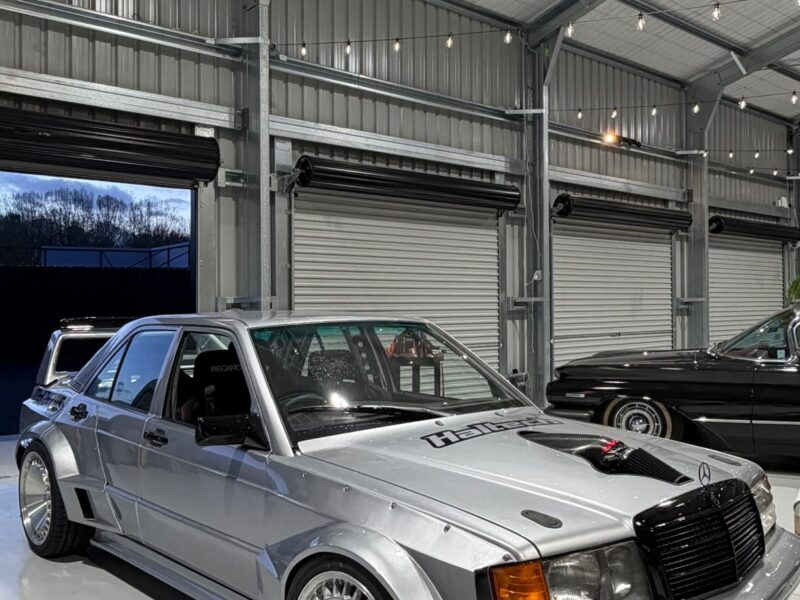
In road tune the 2.3-16 makes 185 hp. Breathing and head work lift that modestly; serious gains come from cams, displacement and a move to standalone management with throttle bodies, which can take a built 16v well beyond standard.
The 2.5-16 starts with more displacement and 204 hp, so it makes torque more easily and is the better base for a fast road build. The 2.3-16 is lighter-feeling and revvy; both respond to the same methods.
A chip does little on standard KE-Jetronic, which is a mechanical-electronic system, not a mappable ECU. Real control comes from converting to standalone engine management.
It has been done, but it is a full engineering project, not a bolt-on, because the engine was built with high compression and mechanical injection for natural aspiration. Most fast builds stay naturally aspirated with cams, capacity and management.