
Concours / Show & Shine1983W201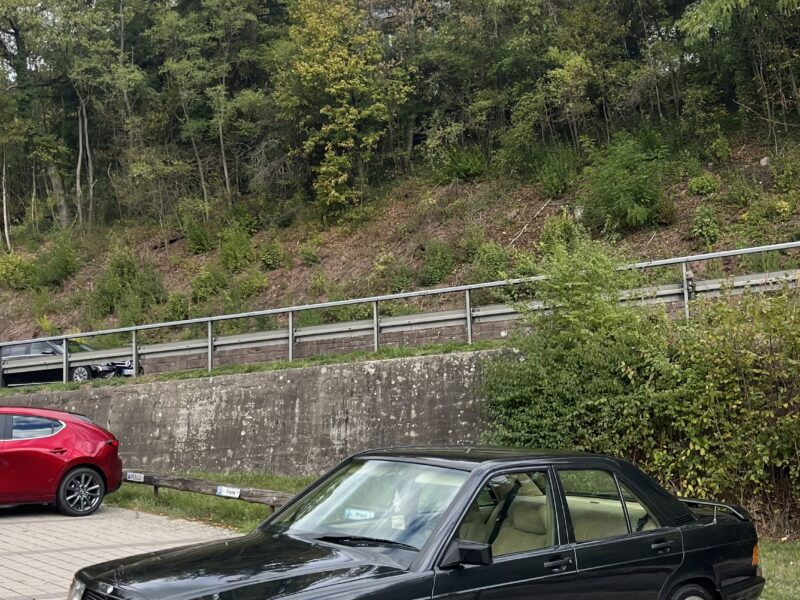
Zender
🇩🇪 Stuttgart, Germany · 190E 2.0
Lowering is the first modification most 190E owners make, and it suits the car. The W201 runs a sophisticated five-link rear, so a proper drop suits it as long as you keep the geometry in check. This guide compares lowering springs and coilovers, explains the front and rear setup, and covers the alignment work that keeps a lowered W201 driving as well as it looks.
Lowering springs on the factory dampers are the cheapest drop and fine for a mild stance, though a worn or short damper will struggle to control a stiffer spring. A full coilover gives adjustable ride height and, on better kits, adjustable damping, which is the right answer for anyone going lower than a gentle drop or wanting to fine-tune the car. Quality kits for the W201 come from the established suspension makers and from Mercedes-specialist brands.
The front strut accepts a coilover sleeve or a full replacement strut, setting height at the spring perch. The rear coil sits separately on the Raumlenker lower link, so rear height is set there while the damper carries on. Because the multilink rear gains negative camber as it drops, a meaningful lowering job changes the rear geometry more than a simple beam axle would.
A drop of roughly 30 to 50 mm keeps the car composed and the geometry sane. Go lower and you start fighting bump steer at the front, excessive camber at the rear, and reduced bump travel that hurts both ride and tyre life. Set a target height, then correct the alignment to suit rather than chasing the lowest possible stance.
After lowering, align the car. The rear will pull negative camber, and depending on how low you go you may want adjustable links or shims to bring it back toward a sensible figure for even tyre wear. At the front, set toe and check that the steering arcs without bump steer. The torque-and-service reference lists the fasteners and figures for the suspension work, so book a corner-weight and alignment session once the car is at its new height.

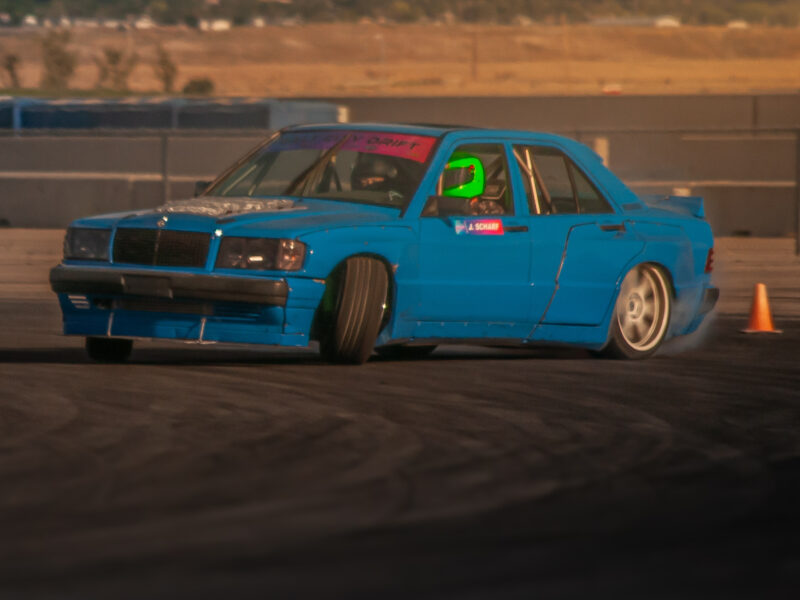
The established suspension brands and Mercedes specialists make quality W201 kits. Choose adjustable-height coilovers, ideally with adjustable damping, if you want to set both stance and ride rather than accept a fixed spring rate.
Around 30 to 50 mm keeps the geometry and ride sensible. Going lower introduces bump steer, large rear camber and reduced travel, so it needs alignment correction and careful damper choice.
The multilink rear gains negative camber as it drops. A mild drop is usually fine on standard adjustment, but a low setup benefits from adjustable links or shims to recover camber and protect tyre wear.
Not if the dampers match the springs. Tired factory dampers under stiff lowering springs ride badly; a matched coilover or fresh dampers with the right spring keep the car comfortable.