Restomod1969★ Top BenzOther Mercedes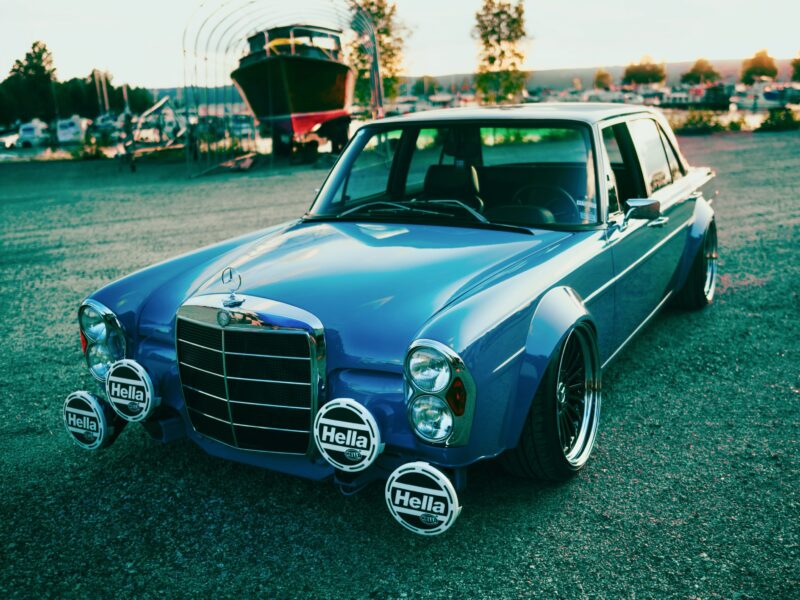
Blue Pig: Widebody W108 Restomod
🇵🇱 Finland, Poland ·
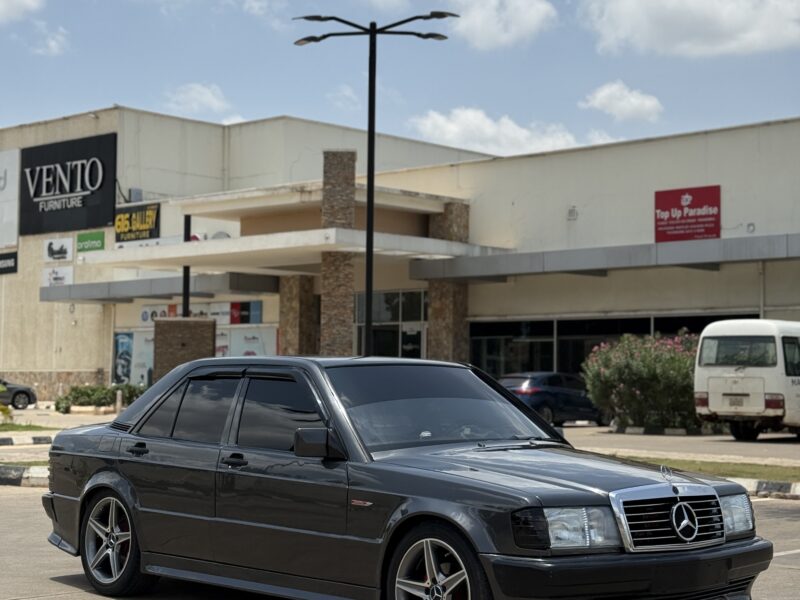
The 190E arrived at the height of the German tuning era, and the widebody W201 has a deep history because of it. From the factory Evolution II arches to period kits by Lorinser, Zender and the wild one-off coachbuilders, to modern over-fenders, a wide 190E is as much a part of the car culture as the stock saloon. This guide covers the kits, the construction choices and the fitment a widebody unlocks.
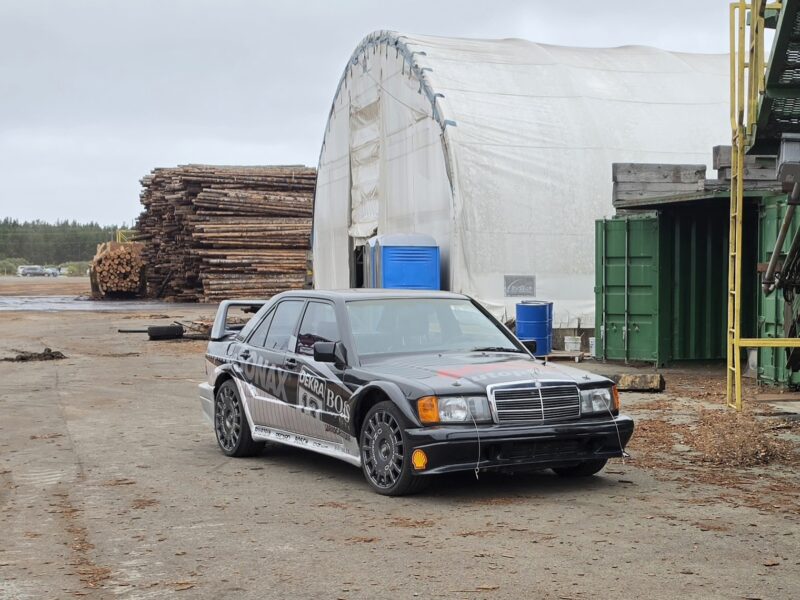
The most famous wide W201 came from Mercedes itself. The 190E 2.5-16 Evolution II wore flared arches, a deep front splitter and that towering rear wing to homologate the aero for DTM. Genuine Evo II bodywork is rare and expensive, so many builds recreate the look with replica Evo arches, which remains the reference point for a period-correct wide 190E.
The 1980s aftermarket produced a wide range of W201 bodywork. Lorinser built the most recognisable bolt-on styling, while Zender offered a full kit and a widebody with a custom bonnet. Coachbuilders went further: Lotec, Carat by Duchatelet, Koenig-style flares and several one-off builders made cars that swallowed enormous wheels. The tuning-houses archive on this site documents who made what, and many of these kits still surface today.
There are two routes to a wide 190E. Bolt-on or bonded fibreglass and polyurethane flares are cheaper and reversible, and suit a styling build. Welded steel arches, or cutting and reworking the factory steel, give an unbroken body line and the strongest result, at much higher cost and with paint and rust-proofing to follow. Choose based on how permanent you want the car to be and how much width you need.
Whichever route you take, plan the paint early. Matching original Mercedes colours across new panels is easier when you know the factory code, and the paint-code library lists the W201-era options.
Every extra centimetre of arch clears wheel and tyre the stock body cannot. Decide the wheel and tyre package first, then choose arches that cover it with the stance you want. Building the body before the wheels usually forces a compromise on fitment, so settle offset and tyre size first with the calculator.
Options run from factory Evolution I and II arches and replicas, to period kits from Lorinser, Zender and the coachbuilders, to modern bolt-on over-fenders. The tuning-houses archive documents the historic makers.
Yes. The 2.5-16 Evolution II wore factory flared arches and aggressive aero to homologate the DTM car, which makes it the original and most sought-after wide W201.
Fibreglass or polyurethane flares are cheaper and reversible; welded steel arches give an unbroken line and the strongest result at higher cost. The choice depends on how permanent the build is.
From subtle over-fenders that add a few centimetres to full coachbuilder arches built around very wide wheels. Decide the wheel and tyre package first, then pick arches to cover it.